
كيف تتحقق من فحص نوعي أو سريع جديد؟How to Verify a New Qualitative or Rapid Test
التحقق من فحص نتيجته إيجابي أو سلبي ليس نسخة مصغرة من التحقق من فحص كمي. المطلوب هو إثبات أن الاختبار يعمل كما ينبغي في مختبرك، أمام مقارنة مناسبة، وبقرار موثق قبل استخدامه لنتائج المرضى.Verifying a test that reports positive or negative is not a smaller version of verifying a quantitative method. The task is to show that the test performs as intended in your laboratory, against an appropriate comparison, with a documented decision before patient use.
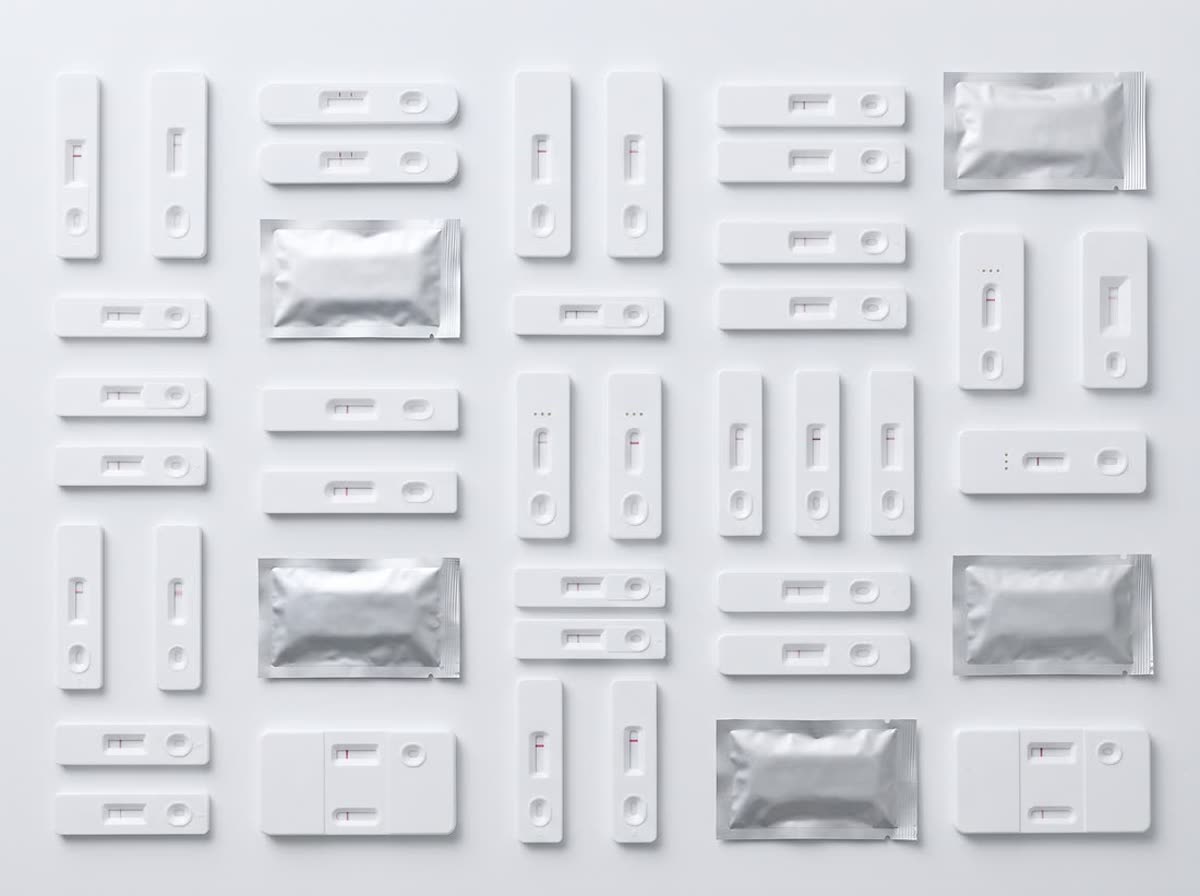
أبرز النقاطKey takeaways
- قارن الاختبار الجديد بعينات معروفة الحالة أو باختبار مقارن مناسب، ولا تعتمد على نتيجة واحدة أو على النشرة وحدها.Compare the new test with specimens of known status or an appropriate comparator, and do not rely on a single result or the package insert alone.
- اتفاق الإيجابيات واتفاق السلبيات يصفان توافق الاختبارين، أما الحساسية والنوعية فيتطلبان مرجعا يحدد الحالة الحقيقية على نحو موثوق.Positive and negative agreement describe concordance between tests, while sensitivity and specificity require a reliable reference for true status.
- وثق العينات والنتائج والتباينات والقرار النهائي، لأن التحقق دليل على صلاحية الاستخدام المحلي وليس تمرينا ورقيا.Document specimens, results, discrepancies, and the final decision, because verification is evidence of local fitness for use, not a paperwork exercise.
ابدأ بتحديد نوع النتيجةStart by defining the type of result
الفحص النوعي ثنائي المخرج يعطي عادة إيجابيا أو سلبيا، أو متفاعلا أو غير متفاعل، أو موجودا أو غير موجود. لا يقاس نجاحه بانحراف معياري أو خطية كما في الفحص الكمي، بل بقدرته على تصنيف الحالة المستهدفة بصورة صحيحة ومتسقة ضمن الاستخدام المقصود. يغطي CLSI EP12 تحديدا تقييم الفحوص ذات المخرج الثنائي، بما في ذلك الأداء السريري والتكرارية والثبات والتداخلات. | EN: A binary qualitative test usually reports positive or negative, reactive or nonreactive, or present or absent. Its success is not assessed through standard deviation or linearity as in a quantitative test, but through its ability to classify the target condition correctly and consistently for its intended use. CLSI EP12 specifically addresses evaluation of binary-output examinations, including clinical performance, imprecision, stability, and interference.
التحقق المحلي لا يعيد تصنيع الدراسةLocal verification does not repeat the manufacturer's study
الشركة الصانعة تجري عادة دراسة تحقق أو تحقق صلاحية واسعة لإثبات خصائص المنتج ضمن نطاقه المقصود. دور المختبر هو التحقق، أي التأكد قبل التطبيق السريري من أن الأداء المعلن يمكن تحقيقه في موقعه، بمشغليه وتجهيزاته وظروفه وإجراءاته. إذا غيّرت الاستخدام المقصود، أو استعملت اختبارا مطورا في المختبر، أو غابت البيانات الكافية، فقد تحتاج إلى دراسة أوسع وفقا لسياسة المختبر والمتطلبات المطبقة. | EN: The manufacturer generally conducts a broad validation study to establish product characteristics within its intended use. The laboratory's role is verification, confirming before clinical implementation that stated performance can be achieved at its site, with its operators, equipment, conditions, and procedures. If you change the intended use, use a laboratory-developed test, or lack adequate data, a broader study may be needed under laboratory policy and applicable requirements.
اختر المقارن قبل جمع العيناتChoose the comparator before collecting specimens
المقارن قد يكون طريقة مرجعية، أو اختبارا معياريا معتمدا، أو نتيجة مؤكدة من مصدر مناسب بحسب المرض المستهدف. يجب أن يجيب البروتوكول مسبقا عن سؤال: كيف ستحدد الحالة الإيجابية أو السلبية المرجعية؟ إذا لم يكن المقارن مرجعا للحقيقة، فاستعمل لغة الاتفاق لا لغة الحساسية والنوعية، واذكر هذا القيد بوضوح في التقرير. | EN: The comparator may be a reference method, an accepted standard test, or a confirmed result from an appropriate source for the target condition. The protocol should answer in advance: how will reference positive and negative status be determined? If the comparator is not a truth reference, use agreement language rather than sensitivity and specificity, and state that limitation clearly in the report.
ميّز بين الحساسية والنوعية والاتفاقDistinguish sensitivity, specificity, and agreement
الحساسية هي نسبة الحالات الإيجابية فعلا التي يكتشفها الاختبار، والنوعية هي نسبة الحالات السلبية فعلا التي يصنفها الاختبار سلبية. أما الاتفاق الإيجابي فهو نسبة العينات الإيجابية في المقارن التي كانت إيجابية في الاختبار الجديد، والاتفاق السلبي هو النسبة المماثلة للعينات السلبية في المقارن. هذه المصطلحات ليست قابلة للاستبدال عندما لا يوجد معيار حقيقة مستقل. | EN: Sensitivity is the proportion of truly positive cases detected by the test, and specificity is the proportion of truly negative cases classified as negative. Positive agreement is the proportion of comparator-positive specimens that are positive in the new test, and negative agreement is the analogous proportion among comparator-negative specimens. These terms are not interchangeable when there is no independent truth standard.
استخدم عينات إيجابية وسلبية معروفةUse known positive and negative specimens
دراسة التحقق العملية تجمع عينة من الإيجابيات المعروفة وعينة من السلبيات المعروفة أو عينات موصوفة بمقارن مناسب، ثم تفحصها وفقا لإجراء الاستخدام الروتيني. لا توجد عينة صغيرة سحرية تثبت كل أداء محتمل، لكن العينة المخططة يجب أن تكون كافية لهدف التحقق، وتمثل قدر الإمكان أنواع العينات والسياق السريري المتوقعين. احتفظ بمصدر كل عينة ومعايير إدراجها ونتيجة المقارن. | EN: A practical verification study assembles known positive and negative specimens, or specimens characterized by an appropriate comparator, and tests them under routine-use procedures. No magic small sample proves every possible performance claim, but the planned sample should be sufficient for the verification objective and should, where possible, represent expected specimen types and clinical context. Retain each specimen's source, inclusion criteria, and comparator result.
عندما تكون العينات الإيجابية قليلة، لا تستبدلها بعينات غير معروفة الحالة. يمكن التخطيط لتجميع بقايا عينات مؤكدة ومحفوظة بصورة مناسبة، أو التعاون مع مختبر مرجعي، مع توثيق التخزين والقيود.When positive specimens are scarce, do not substitute specimens with unknown status. You can plan to collect appropriately stored confirmed residual specimens or work with a reference laboratory, while documenting storage and limitations.
اقترب من حد الكشف المقصودInclude specimens near the intended detection boundary
قد يتفق اختباران تماما في العينات الإيجابية القوية والسلبية الواضحة، ثم يختلفان عندما تكون كمية المادة المستهدفة منخفضة. لذلك، حيثما أمكن، أدرج عينات إيجابية ضعيفة أو قريبة من الحد السريري ذي الصلة، ولا تقتصر على عينات ذات تفاعل قوي. الفحص السريع للهرمونات أو العوامل المعدية قد يتأثر بهذه المنطقة بصورة خاصة، ويجب تفسير أي اختلاف فيها مع المقارن والسياق السريري. | EN: Two tests may agree perfectly on strongly positive and clearly negative specimens, then differ when the target concentration is low. Where possible, include weakly positive specimens or specimens near a relevant clinical boundary, rather than only strongly reactive material. Rapid hormone and infectious-disease tests may be particularly affected in this region, and any discrepancy there should be interpreted with the comparator and clinical context.
افحص التكرارية عند الحاجةAssess reproducibility where needed
النتيجة الثنائية قد تتقلب قرب حد القطع أو في ظروف تشغيل مختلفة. يوصي EP12 بتناول عدم الدقة في الفحوص النوعية، بما في ذلك تقديرات C5 وC95 عند الاقتضاء. عمليا، افحص موادا أو عينات مناسبة في أيام مختلفة ومع مشغلين أو دفعات عند الحاجة، وركز على العينات القريبة من الحد بدلا من افتراض أن نتيجة إيجابية قوية تثبت ثبات الفحص كله. | EN: A binary result can fluctuate near the cutoff or under different operating conditions. EP12 addresses imprecision in qualitative examinations, including C5 and C95 estimates where appropriate. In practice, test suitable materials or specimens on different days and, where relevant, with different operators or lots, focusing on samples near the cutoff rather than assuming that a strongly positive result proves the whole test is reproducible.
افهم لماذا لا تتنقل القيمة التنبؤية بسهولةUnderstand why predictive value does not travel easily
القيمة التنبؤية الإيجابية تجيب عن احتمال وجود الحالة عند ظهور نتيجة إيجابية، والقيمة التنبؤية السلبية تجيب عن احتمال غيابها عند ظهور نتيجة سلبية. كلتاهما تتأثران بانتشار الحالة أو احتمالها القبلي في السكان الذين تختبرهم. لذلك لا تنسخ قيمة تنبؤية من نشرة أعدت في مجتمع عالي الانتشار إلى عيادتك من دون شرح، حتى لو بقيت حساسية الاختبار ونوعيته كما هما. | EN: Positive predictive value asks how likely the condition is when the result is positive, and negative predictive value asks how likely the condition is absent when the result is negative. Both are affected by prevalence or pretest probability in the population you test. Do not transfer a predictive value from a package insert produced in a high-prevalence population to your clinic without explanation, even if sensitivity and specificity remain the same.
عالج النتائج المتباينة وفق إجراء مكتوبHandle discrepant results through a written procedure
لا تحذف النتيجة المخالفة ولا تعدها تلقائيا خطأ من الاختبار الجديد أو المقارن. أوقف الاستنتاج النهائي لتلك العينة، وراجع الهوية والصلاحية والتخزين وإجراء العمل، ثم اتبع خوارزمية محددة مسبقا للاختبار التأكيدي أو المراجعة السريرية إن كانت متاحة. تسجل النتيجة الأصلية، وإعادة الفحص، وأي اختبار إضافي، والقرار المبرر. | EN: Do not delete a discrepant result or automatically call it an error of the new test or comparator. Pause the final conclusion for that specimen, review identity, eligibility, storage, and procedure, then follow a predefined algorithm for confirmatory testing or clinical review where available. Record the original result, repeat testing, any additional test, and the justified conclusion.
ما يجب أن يحتويه سجل التحققWhat the verification record should contain
- اسم الاختبار وإصداره ودفعة الكواشف والجهاز، والاستخدام المقصود، وتعليمات الشركة التي استند إليها البروتوكول.Test name and version, reagent lot, instrument, intended use, and manufacturer instructions on which the protocol was based.
- تعريف المقارن ومعايير الحالة الإيجابية والسلبية، وعدد العينات، ونوعها، ونتائج جدول المقارنة، والنتائج المتباينة.Definition of the comparator and positive and negative status criteria, specimen number and type, comparison-table results, and discrepancies.
- معايير القبول المحددة مسبقا، والاستنتاج، وقرار المدير المخول، والتاريخ، وأي قيود على الاستخدام السريري.Prespecified acceptance criteria, conclusion, authorized director's decision, date, and any limitations on clinical use.
اتخذ القرار وراقبه بعد البدءMake the decision and monitor after go-live
قبل إصدار نتائج المرضى، راجع الدراسة مع المسؤول الفني وقارنها بمعايير القبول التي حددت قبل رؤية النتائج. إذا قبل الاختبار، درّب العاملين، وثبت إجراءات الضبط الداخلي، وسجل الدفعة المستخدمة في التحقق. تظل المراقبة بعد التطبيق ضرورية، خصوصا عند تغير الدفعات أو ظهور تباينات متكررة أو تغير نمط المرض في مجتمع المرضى. | EN: Before releasing patient results, review the study with the technical lead and compare it with acceptance criteria set before the results were seen. If the test is accepted, train staff, establish internal QC procedures, and record the lot used for verification. Post-implementation monitoring remains essential, especially when lots change, discrepancies recur, or disease patterns change in the patient population.
المراجعReferences
- CLSI EP12، تقييم أداء الفحوص النوعية ذات المخرج الثنائي / Evaluation of Qualitative, Binary Output Examination Performance, CLSI
- دليل تطبيق التحقق من أداء الفحوص النوعية ذات المخرج الثنائي / Verification of Performance of a Qualitative, Binary Output Examination Implementation Guide, CLSI
- ISO 15189:2022، المختبرات الطبية: متطلبات الجودة والكفاءة / Medical laboratories: Requirements for quality and competence, ISO
- دقة الاختبارات التشخيصية: المزالق والأشكال / Diagnostic accuracy: pitfalls and graphical presentation, PubMed Central
- نحو إبلاغ أكثر دقة عن دراسات الدقة التشخيصية: مبادرة STARD / Towards complete and accurate reporting of studies of diagnostic accuracy: The STARD initiative, PubMed
- تطبيق نظام إدارة الجودة في المختبرات: الدليل / Laboratory Quality Management System: Handbook, WHO
روابط لجهاتٍ ومعايير عالمية موثوقة. المحتوى تعليميٌّ عام ولا يغني عن الإجراءات المعتمدة في مختبرك.Links to authoritative international bodies and standards. This content is general education and does not replace your laboratory’s validated procedures.
للمزيدKeep reading
تعلّم هذا الموضوع بعمق في أكاديمية لاب سوريا المجانية.Learn this in depth in the free LabSyria academy.
إلى الأكاديميةGo to the academy