
جودة تحليل البول: من العينة إلى المجهرUrinalysis Quality: From Specimen to Microscope
تحليل البول فحص بسيط ظاهريا، لكنه شديد الحساسية لجودة العينة ووقت تداولها. هذا الدليل يضع خطوات عملية قابلة للتطبيق في المختبرات السورية لضمان أن تعكس النتيجة حالة المريض، لا ظروف النقل أو التأخير.Urinalysis appears simple, yet it is highly sensitive to specimen quality and handling time. This guide gives practical steps for Syrian laboratories so results reflect the patient, not transport or delay.
أبرز النقاطKey takeaways
- العينة الجيدة تبدأ بتعليمات جمع واضحة وتعريف دقيق للمريض والعينة.A reliable result starts with clear collection instructions and correct patient and specimen identification.
- افحص البول الطازج بسرعة، وسجل أي تأخير أو تبريد لأن ذلك جزء من تفسير النتيجة.Examine fresh urine promptly, and document delay or refrigeration because these are part of result interpretation.
- لا تعوض الشريحة الكاشفة الفحص المجهري المعياري عندما تكون النتيجة أو السياق السريري يستدعي ذلك.A reagent strip does not replace standardized microscopy when the result or clinical context requires it.
لماذا تقلل المختبرات من شأن جودة تحليل البول؟Why is urinalysis quality often underestimated?
يجمع تحليل البول بين الفحص الفيزيائي والكيميائي والمجهري، ولذلك تتداخل فيه أخطاء ما قبل التحليل مع أخطاء القياس والتفسير بسهولة. قد يبدو الكوب المملوء عينة جاهزة، لكن طريقة جمعه ومدة بقائه وحرارته ودرجة اختلاطه بالخلايا أو الجراثيم من الجلد تحدد ما سيظهر لاحقا. تؤكد إرشادات CLSI GP16 والإرشادات الأوروبية لتحليل البول أن توحيد العملية، من طلب الفحص حتى الإبلاغ، ضروري لأن هذا الاختبار شائع جدا وتؤثر نتائجه في قرارات تخص عدوى السبيل البولي وأمراض الكلية والسكري. | P: Urinalysis combines physical, chemical, and microscopic examination, so preexamination errors can easily blend with analytical and interpretive errors. A filled cup may look ready, but collection method, elapsed time, temperature, and contamination with skin cells or bacteria determine what will later be seen. CLSI GP16 and the European Urinalysis Guidelines emphasize process standardization, from request through reporting, because this common test influences decisions about urinary infection, kidney disease, and diabetes.
في سياق محدود الموارد، لا يلزم أن تبدأ الجودة بتقنية جديدة. نموذج طلب يتضمن وقت الجمع، وملصق يوضع أمام المريض، ومسار واضح لوصول العينة إلى قسم البول، وسجل للعينات المتأخرة، كلها ضوابط عالية الأثر. ينبغي أن تحدد سياسة المختبر معايير قبول ورفض وإجراء التعامل مع العينة غير المطابقة، بدلا من إصدار نتيجة تبدو دقيقة لعينة لا تصلح علميا. | P: In a resource-constrained setting, quality need not begin with new technology. A request form recording collection time, labeling in front of the patient, a defined route to urinalysis, and a log for delayed specimens are high-impact controls. Laboratory policy should define acceptance, rejection, and management of unsuitable specimens instead of releasing a precise-looking result from a scientifically unsuitable sample.
الجودة في تحليل البول هي سلسلة قابلة للتتبع، وليست قراءة شريط أو عد خلايا فقط.Quality in urinalysis is a traceable chain, not merely strip reading or cell counting.
جمع العينة الصحيح: منتصف المجرى، التوقيت، والوعاءCorrect collection: midstream, timing, and container
لعينة البول الروتينية، اشرح للمريض شفهيا وبلغة مفهومة جمع عينة نظيفة من منتصف المجرى. يبدأ المريض بالتبول في المرحاض، ثم يجمع الجزء المتوسط دون ملامسة داخل الوعاء أو غطائه، ويكمل التبول خارج الوعاء. التنظيف المناسب للمنطقة التناسلية قبل الجمع يقلل التلوث، ولا سيما بالخلايا الحرشفية والفلورا الجلدية. يجب أن يكون الوعاء نظيفا وجافا وواسع الفوهة ومحكم الإغلاق، وأن يحمل معرفين للمريض ووقت الجمع. | P: For routine urine, explain clean-catch midstream collection verbally and in language the patient understands. The patient begins voiding into the toilet, collects the midstream portion without touching the inside of the container or lid, then finishes outside the container. Appropriate genital cleansing before collection reduces contamination, particularly squamous cells and skin flora. The container should be clean, dry, wide-mouthed, leak-proof, and labeled with two patient identifiers and collection time.
عينة الصباح الأولى مفيدة غالبا للفحص الروتيني لأنها أكثر تركيزا وقد تحسن كشف بعض العناصر المتشكلة، لكنها ليست شرطا لكل طلب. العينة العشوائية مقبولة إذا كان السؤال السريري عاجلا أو كان وقت الجمع موثقا. لا ينبغي مقارنة نتائج عينات مختلفة النوع أو التوقيت بلا سياق، خصوصا عند متابعة البروتين أو الرواسب. اجعل نوع العينة ووقت جمعها جزءا من البيانات التي يراها الفاحص والمفسر. | P: First-morning urine is often useful for routine examination because it is more concentrated and may improve detection of some formed elements, but it is not mandatory for every request. A random specimen is acceptable when the clinical question is urgent or the collection time is documented. Do not compare results from different specimen types or times without context, especially when following protein or sediment findings. Make specimen type and collection time visible to both examiner and interpreter.
- اطلب عينة منتصف المجرى النظيفة عند تقييم التهاب المسالك أو الرواسب.Request a clean-catch midstream specimen when assessing urinary infection or sediment.
- لا تستخدم وعاء مستعملا أو رطبا أو بلا غطاء محكم.Do not use a previously used, wet, or non-leak-proof container.
- وثق وقت الجمع، لا وقت وصول العينة فقط.Record collection time, not only laboratory receipt time.
لماذا يهم الفحص خلال نحو ساعتين؟Why does examination within about two hours matter?
ينبغي فحص العينة غير المحفوظة بأسرع ما يمكن، ويعد وصولها أو فحصها خلال نحو ساعتين هدفا عمليا شائعا عند حفظها في درجة حرارة الغرفة. مع التأخير، قد تنحل كريات الدم الحمراء والبيضاء، ولا سيما في البول المخفف أو القلوي، وقد تتفكك الأسطوانات، فتقل حساسية الفحص المجهري. كما تتكاثر الجراثيم في العينة الملوثة أو المصابة، وقد يرتفع الرقم الهيدروجيني نتيجة الاستقلاب الجرثومي وتتغير ملامح الرواسب. | P: Unpreserved urine should be examined as soon as possible, with receipt or examination within about two hours at room temperature as a common practical target. With delay, red and white blood cells may lyse, particularly in dilute or alkaline urine, and casts may disintegrate, reducing microscopy sensitivity. Bacteria can also multiply in contaminated or infected samples, pH may rise through bacterial metabolism, and sediment appearance can change.
يتغير الجلوكوز أيضا مع الزمن بسبب استهلاكه الخلوي أو الجرثومي، وقد تتأثر الكيتونات والبيليروبين بعوامل الزمن والضوء. لذلك لا تصف العينة المتأخرة بأنها "طبيعية" دون تحفظ إذا كانت النتيجة السلبية قد تكون ناتجة عن التدهور. ضع وقت الاستلام ووقت الفحص في نظام العمل، وطبق تعليقا أو إعادة جمع حسب سياسة المختبر عندما يتجاوز التأخير حدود القبول المحلية المبنية على الإرشادات والتحقق الداخلي. | P: Glucose may also decrease over time through cellular or bacterial consumption, while ketones and bilirubin are vulnerable to time and light. Therefore, do not describe a delayed specimen as normal without qualification when a negative result may reflect deterioration. Capture receipt and examination times in the workflow, and apply a comment or recollection according to local acceptance limits based on guidance and internal verification.
الحفظ والتبريد عندما لا يمكن تجنب التأخيرPreservation and refrigeration when delay is unavoidable
إذا تعذر الفحص السريع، برد العينة بسرعة عند نحو 2 إلى 8 درجات مئوية وفق سياسة المختبر، وانقلها في وعاء مغلق وموسوم. التبريد يبطئ النمو الجرثومي والتغيرات الكيميائية، لكنه لا يجعل العينة ثابتة إلى أجل غير محدد ولا يعيد العناصر التي تلفت قبل التبريد. أعد العينة إلى درجة حرارة الغرفة وامزجها بلطف قبل إجراء الشريط، لأن البرودة قد تؤثر في تفاعلات الشريط وقد تعزز ترسب بعض البلورات. | P: If prompt examination is impossible, refrigerate the specimen promptly at about 2 to 8 degrees C according to laboratory policy, and transport it in a closed, labeled container. Refrigeration slows bacterial growth and chemical change, but it does not make the specimen indefinitely stable or restore elements damaged before cooling. Return the specimen to room temperature and mix gently before strip testing because cold can affect strip reactions and promote precipitation of some crystals.
المواد الحافظة ليست بدائل عامة عن النقل السريع. قد تناسب بعض الأنظمة جمعا أو زرعا محددا، لكنها قد تؤثر في الكيمياء أو الرواسب أو نمو الكائنات الدقيقة. قبل اعتماد مادة حافظة، تحقق من تعليمات الشركة المصنعة لطريقة الفحص، والغرض من العينة، وصلاحية النظام في مختبرك. لا تضف أي مادة إلى وعاء البول الروتيني من دون إجراء موثق ومتحقق منه. | P: Preservatives are not universal substitutes for prompt transport. They may suit a defined collection or culture system, yet may affect chemistry, sediment, or microbial growth. Before adopting a preservative, check the method manufacturer instructions, the specimen purpose, and system suitability in your laboratory. Do not add any substance to a routine urine container without a documented, verified procedure.
حدود الشريط الكاشف والتداخلاتReagent strip limitations and interferences
الشريط الكاشف أداة فحص أولي ممتازة عندما يخزن ويستخدم ضمن تعليمات الشركة، مع ضبط داخلي مناسب وقراءة في الزمن المحدد. لكنه تفاعل كيميائي شبه كمي، وليس حكما مستقلا. قد تتأثر القراءة بتركيز البول واللون والأدوية وفيتامين C وعوامل مؤكسدة أو مختزلة، كما تختلف الاستجابة بين الأنظمة. اطلع على نشرة الشريط المستخدمة محليا، فهي المرجع المباشر للتداخلات وزمن القراءة الخاصين بتلك المنصة. | P: A reagent strip is an excellent screening tool when stored and used according to manufacturer instructions, with appropriate internal quality control and reading at the specified time. However, it is a semiquantitative chemical reaction, not an independent judgment. Results may be affected by urine concentration, color, medicines, vitamin C, and oxidizing or reducing agents, and response differs between systems. Consult the insert for the strip used locally, as it is the direct reference for that platform's interferences and reading times.
نتيجة النتريت السلبية لا تستبعد العدوى، ونتيجة إستراز الكريات البيضاء أو الدم تحتاج إلى ربطها بالرواسب والقصة السريرية. لا تفسر البروتين الإيجابي على أنه تشخيص، ولا تؤخر المجهر في عينة عكرة أو دموية أو ذات شريط غير متوقع. عند وجود تناقض بين مظهر العينة والشريط أو بين الشريط والمجهر، افحص خطوات ما قبل التحليل، والتحكم بالجودة، وتاريخ انتهاء الشرائط، ثم أبلغ عن التباين أو أعد الاختبار وفق الإجراء. | P: A negative nitrite result does not exclude infection, and leukocyte esterase or blood results require correlation with sediment and clinical history. Do not treat positive protein as a diagnosis, and do not defer microscopy for a turbid, bloody, or unexpectedly reactive specimen. When appearance conflicts with the strip, or the strip conflicts with microscopy, review preexamination steps, quality control, and strip expiry, then report the discrepancy or repeat testing according to procedure.
متى يلزم الفحص المجهري وكيف نوحده؟When is microscopy needed and how should it be standardized?
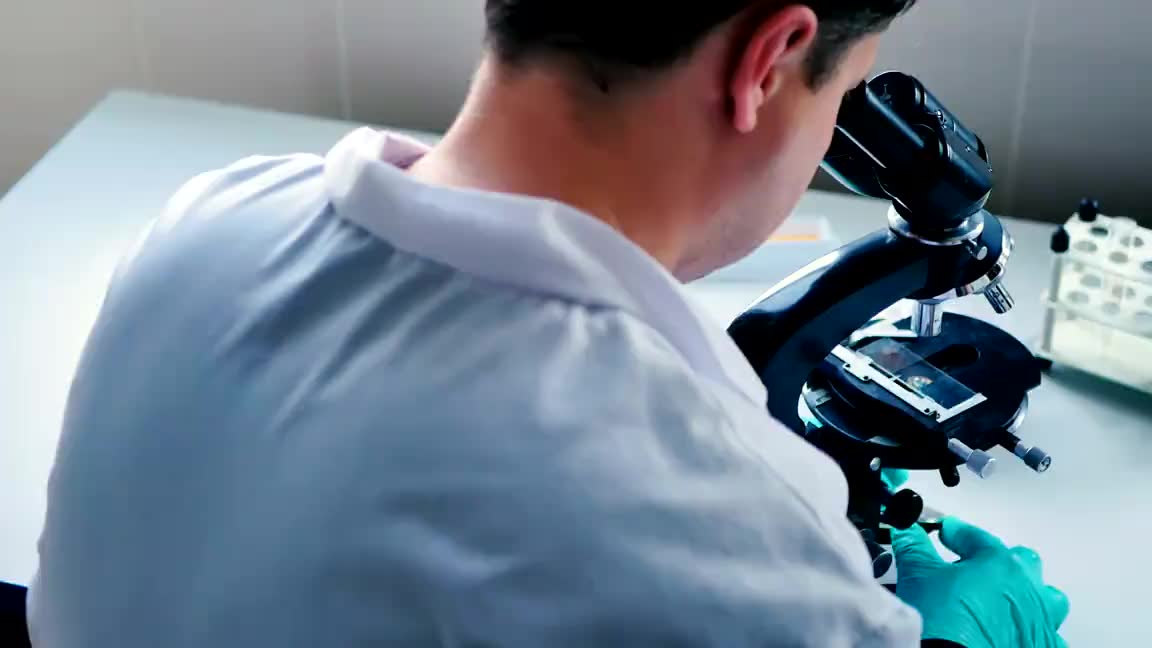
يضاف الفحص المجهري عند وجود شذوذ في الشريط أو المظهر، أو عند طلب سريري متعلق بالبيلة الدموية أو البروتينية أو مرض كلوي أو عدوى، أو عندما تتطلب خوارزمية المختبر ذلك. الهدف ليس البحث غير المنضبط عن كل عنصر، بل توصيف رواسب ذات معنى: خلايا، أسطوانات، بلورات، جراثيم، خمائر، أو عناصر أخرى. إن وجود خلايا حرشفية كثيرة قد يدعم الاشتباه بتلوث العينة، لكنه لا يلغي التقييم السريري أو قرار إعادة الجمع عند الحاجة. | P: Microscopy should be added for strip or appearance abnormalities, a clinical request involving hematuria, proteinuria, kidney disease, or infection, or when required by the laboratory algorithm. The aim is not an uncontrolled search for every element, but meaningful sediment characterization: cells, casts, crystals, bacteria, yeasts, or other elements. Numerous squamous cells may support concern about contamination, but do not replace clinical assessment or the decision to recollect when needed.
التوحيد يبدأ بخلط العينة، واستخدام حجم محدد، وتحديد شروط الطرد المركزي إن استعمل، وإعادة تعليق الراسب بحجم ثابت، وتوثيق التكبير وطريقة العد ووحدات الإبلاغ. درب العاملين على صور مرجعية وعلى مقارنة بين المقيمين، واحتفظ بسجل لهذه المقارنات. في المختبرات التي تعتمد الأتمتة، يجب أن يحدد الإجراء متى تراجع الصور أو تجرى المجهرية اليدوية، لأن التصنيف الآلي لا يلغي مسؤولية التحقق من العناصر غير المتوقعة أو ذات الأثر السريري. | P: Standardization begins with mixing the specimen, using a defined volume, specifying centrifugation conditions when used, resuspending sediment in a fixed volume, and documenting magnification, counting method, and reporting units. Train staff with reference images and observer comparisons, and retain records. In laboratories using automation, procedures should specify when images are reviewed or manual microscopy is performed, because automated classification does not remove the responsibility to verify unexpected or clinically significant elements.
المراجعReferences
- CLSI: GP16-A3 Urinalysis, Approved Guideline, Third Edition, FDA
- Kouri T, Fogazzi G, Gant V, et al: European Urinalysis Guidelines, Clinical Chimica Acta
- EFLM Task Force: European Urinalysis Guidelines and update materials, EFLM
- UW Medicine: Urinalysis, Complete, No Culture, University of Washington
- CLSI: PRE04 Handling, Transport, Processing, and Storage of Blood Specimens for Routine Laboratory Examinations, CLSI
- WHO: Basic Laboratory Procedures in Clinical Bacteriology, WHO IRIS
روابط لجهاتٍ ومعايير عالمية موثوقة. المحتوى تعليميٌّ عام ولا يغني عن الإجراءات المعتمدة في مختبرك.Links to authoritative international bodies and standards. This content is general education and does not replace your laboratory’s validated procedures.
للمزيدKeep reading
تعلّم هذا الموضوع بعمق في أكاديمية لاب سوريا المجانية.Learn this in depth in the free LabSyria academy.
إلى الأكاديميةGo to the academy